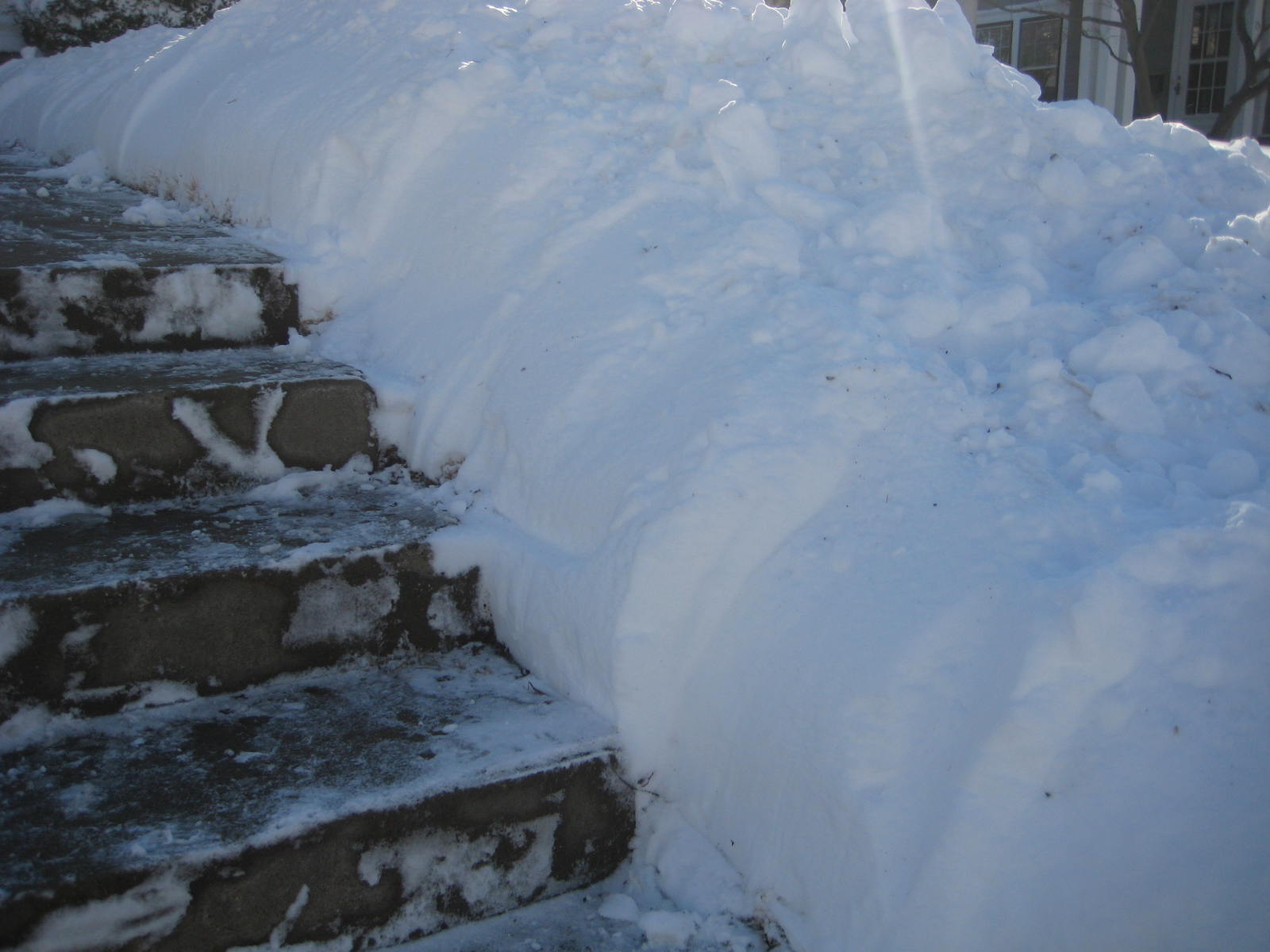
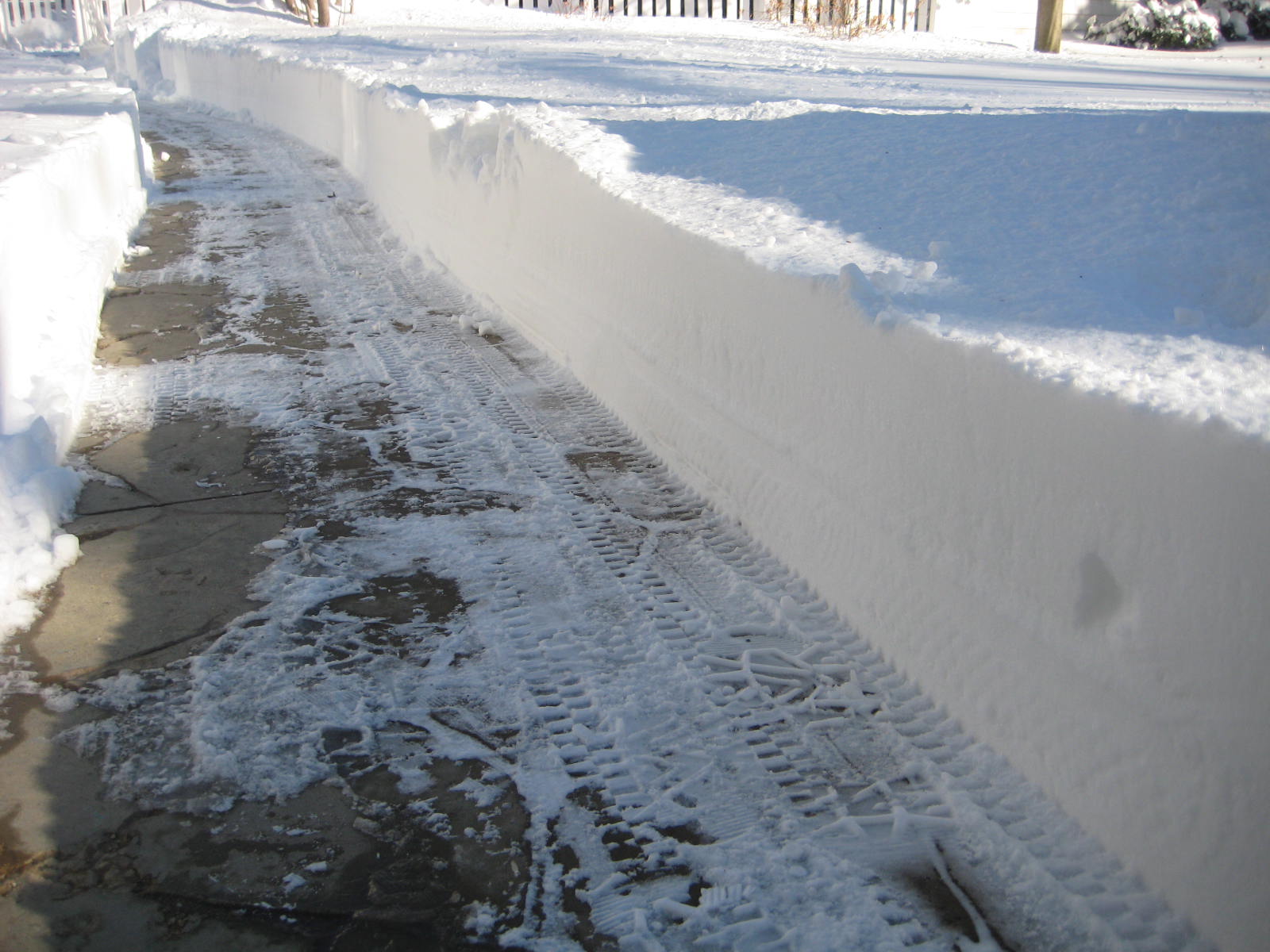
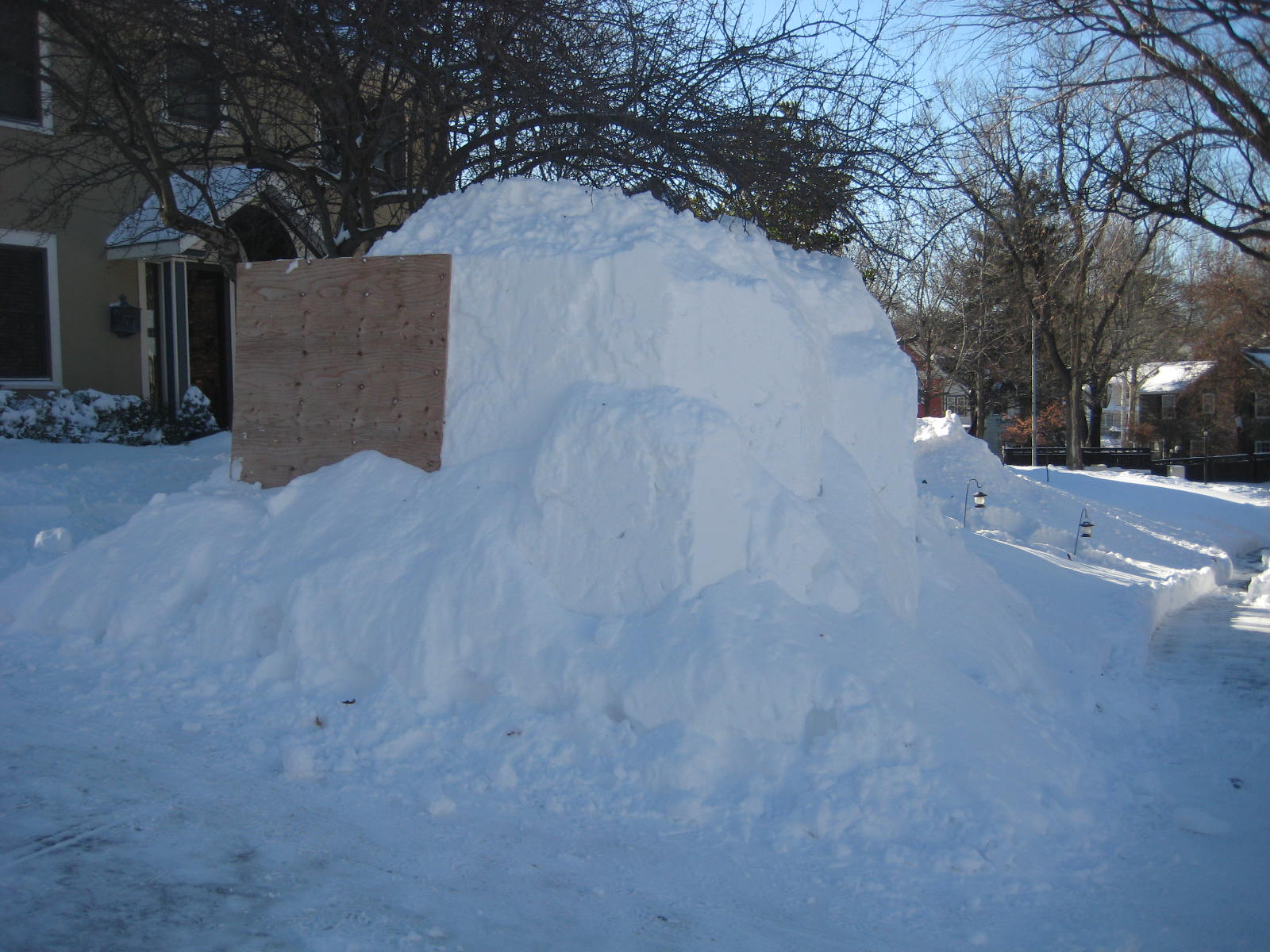
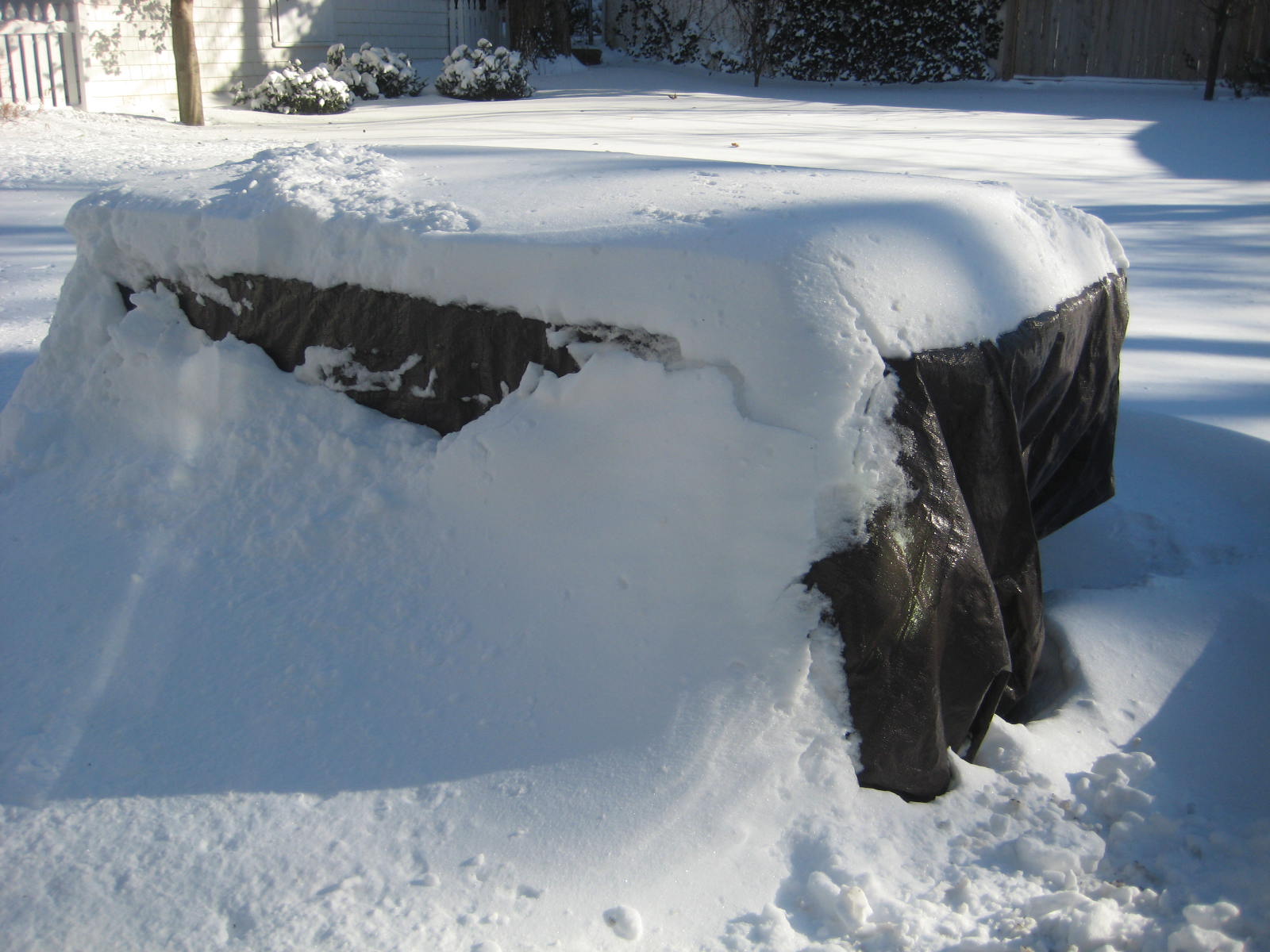
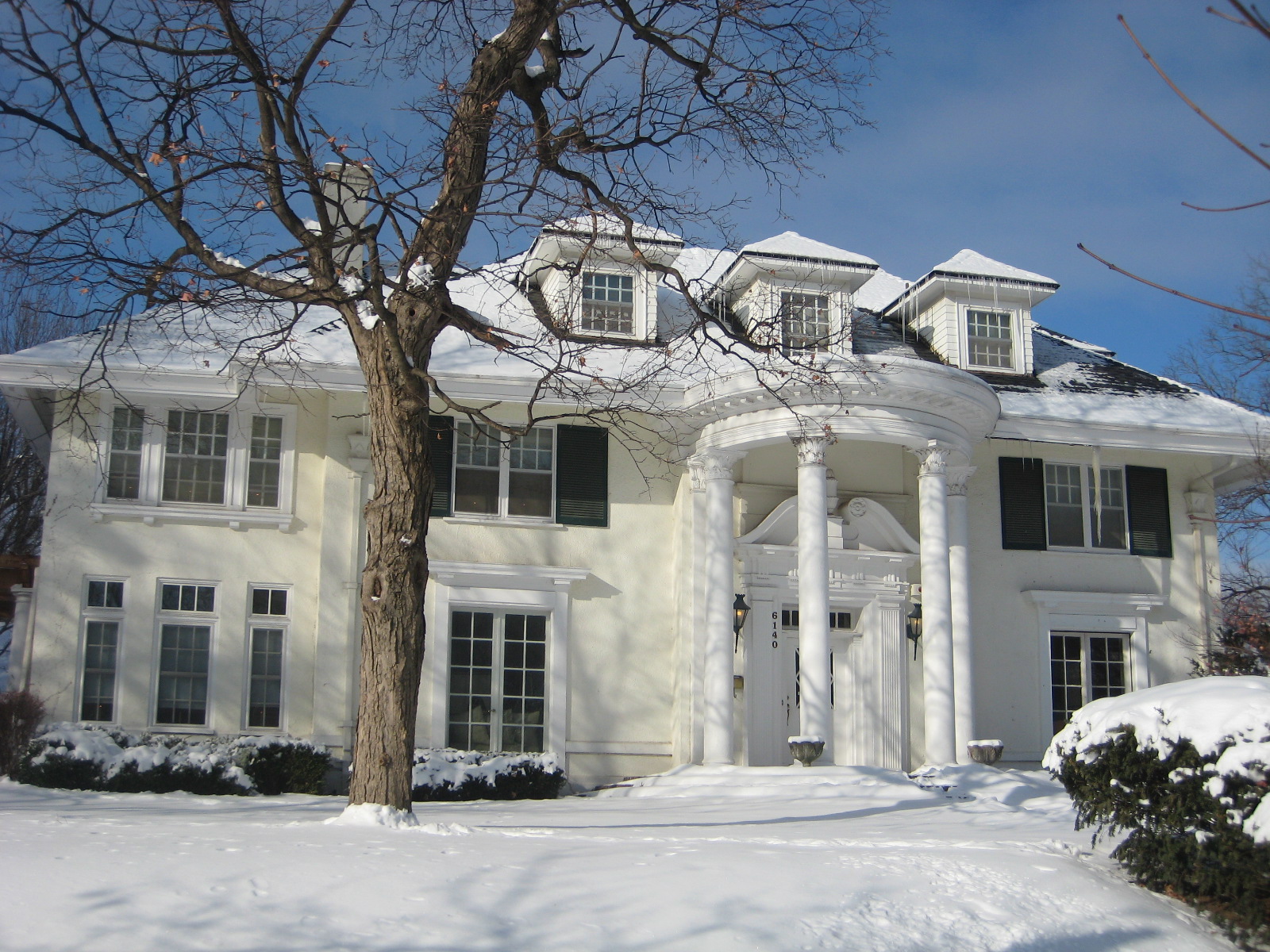
Took a few minutes today to walk around my block, in the warm sun despite cold temps!–and snapped a few pictures to share. I live on W 68 St in Armour Hills. My husband spent over two hours today digging us out, using the snowblower!
Still reading LaDene Morton’s recent book “The Brookside Story” , and today I’ll write a few words about the Morningside Park subdivision and the various architecture styles found here. It’s so interesting to read a few pages..then go out and actually drive the areas she writes about. Knowing more about the history of my neighborhood makes me appreciate it so much more.
Brookside had its beginnings in the early 1920s, and JC Nichols recognized the importance of the automobile. He designed Brookside to be car-friendly…which is ironic, as today so many people want to live in Brookside specifically because it’s such a walkable community! Nichols published a brochure, “A Scenic Route Through the Country Club District” for “pleasure driving” . This map is found in the book, and takes you through Brookside, Mission Hills and the Plaza. One interesting note, at the top of the map is a headline: 200 ACRES RESTRICTED, which I assume means the area was for whites only. The book doesn’t address the headline.
As Nichols was plotting the home sites, he created various middle, upper-middle and high income housing but in a subtle way: the larger, more expensive homes are to the west, and the homes gradually change as you go east. The houses and lot sizes are different, but the exterior attractiveness of the homes are similar–there are no very sharp divisions. To this day, home values are determined not only by lot and house size, but how far east or west of Main the home is located. This plan ensured a variety of middle and upper income bracket residents for the area.
Another residential developer for the area was Fletcher Cowhert, a colleague of Nichol’s. Although much older than JC, he too had travelled extensively in Europe and was impressed with how cities were planned there. Fletcher created one of my favorite subdivisions in Brookside, Morningside Park. General boundaries are 59th to 62 Streets, west of Oak and east of Brookside Boulevard. The most prestigious address in this area is on Morningside Drive–a wide street of larger homes and lots. The homes surrounding Morningside Drive are still beautiful, but a bit more modest. Fletcher built 6140 Morningside Drive, a magnificent home, for his son, Fletcher Jr
There is a brochure cited in the Morton’s book, “Coherd Built Homes” that Fletcher developed to sell the subdivision. It’s motto was ” The Standard of Value” and featured photos of the finished homes. Inside, you can read this copy: “The high degree of beauty and permanence in Coherd Built Homes has been and will be steadfastly maintained” . Still true today–this is one of the prettiest areas of Brookside.
Next up in the book–details on retail development in Brookside through the years. The photos are fascinating and oh so nostalgic. I’m heading to the Kansas City Library next week to copy some of these photos for myself–they will be great wall decor in my house!
Thanks for reading my blog, your comments are welcome! You can reach me directly at mary.hutchison@prukc.com or my website, www.maryhutchison.org
Just the facts, m’am–here are home sales statistics for the month of November for these two Brookside subdivisions:
Armour Hills:
Four homes sold, averages sales price $163,600. Eight homes are pending/back up status, average list price of these homes is $208,000.
Currently 24 homes for sale in Armour Hills, average price is $234,000.
In November 2009, ten homes sold, average price was $247,125.
Rockhill Gardens:
Two homes sold in November, average price $249,475. Three homes are pending/back up status, average list price is $165,667.
In 2009, five homes sold for an average price of $192,804.
Currently eleven homes are for sale, average list price is $182,709.
(Important to remember that in November 2009, the $8000 tax credit was in effect, spuring sales. This November, no tax credit.)
Average prices can vary widely as these statistics show. Remember, in this area it’s all about specific location and interior updating, besides the usual number of bedrooms/baths/garages. Short sales and foreclosures drag down the average sales price in all neighborhoods.
Thinking of selling your home next year? Or thinking of buying in Rockhilll Gardens/Armour Hills? Email me if you have questions–glad to help!
Thanks for reading my blog.
Looking over that last blog post, I decided some of the incidents mentioned (sex in bathrooms, pot smoking, defying authority, truancy) are probably happening at every Kansas City high school. These are teenagers, right? Yet when the Kansas City MO police department get called to the school over 50 times in two months–that is not a common high school occurance. It’s the frequency of the incidents and the lack of discipline/respect for education that is most worrisome.
So, what to do? As much as I would like to say the parents need to be pro-active in solving these problems, I think the school district and Southwest school administration need to take the lead. Here’s a few suggestions:
1. Teachers must have control of the classroom for effective teaching. If they can’t control the class–get help and/or get a new teacher. How many unemployed teachers would be willing to come in and help out on a contract basis?
2. Take the troublemakers out of the classroom. Don’t just send them to the principal’s office. Have a separate detention room or send them home. There MUST be consequences ENFORCED for bad behavior.
3. Absolutely all teachers must take the lead from the principal and maintain (relatively) quiet, orderly classroom changes and hall atmospheres.
4. Identify the five most pressing problems. Tackle them one at a time. Hold staff accountable for the action steps that need to be taken to get a handle on the problems while working towards the solutions. Form individual task forces to work on the problems with clear action plans.
5. Try to involve the parents. This one could be tricky. There are some parents who have disciplined their children and taught them how to behave in school, who have taught them the value of education, who provide a stable home life and teach values. There are parents who do not. Still, involve as many parents as you can to help institute changes at the school.
6. Involve the students. What ideas do they have for solving the problems? They are living it every day–involving the kids in the discussion will win the school district more support from the very kids they claim to serve.
I’m very tempted to wander the halls and classrooms of Southwest myself –just to experience it. I’m curious and yes, fearful, at the same time. Still, I just might do it–and that would be another blog post.
Thanks for reading this blog–you can reach me at mary.hutchison@prukc.com